



|
|
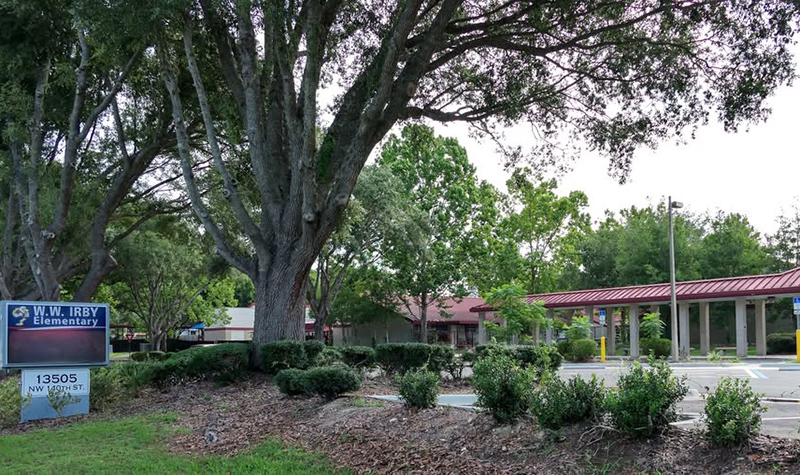
ALACHUA – A group of teachers, parents and community members in Alachua are pushing back against a proposal that could close Irby Elementary School, and they want the school board to hear them before it’s too late.
The Alachua County School Board is expected to vote on the school’s future at its May 5 meeting. The board will also hold a workshop April 29 to discuss the options ahead of that vote. For many in the Alachua community, those two dates feel like a closing window.
Irby Elementary, which currently serves pre-K through second grade students, was added to the district’s list of potential closures in February, just 10 days before the board held its initial vote on school consolidations across the county. Most other school closures being considered by the district had been announced months earlier, in November 2025.
For Lisi Osborne, who has taught at Irby since 2004, the timing felt rushed and the process has felt one-sided ever since.
“Irby faculty and staff heard about it on the news,” Osborne said. “This isn’t just a job. This isn’t just a place we come to every day to work. This is our home and this is our family.”
A hidden gem, advocates say
Osborne describes Irby as a school that is easy to overlook from the outside but hard to forget once you’ve walked its halls. Colorful sensory paths cover the floors. Murals line the walls throughout campus. The facilities, she said, are well-maintained and designed specifically with young children in mind.
“Irby Elementary is a hidden gem in the community of Alachua,” Osborne said. “It always has been. It is one of a kind.”
The school’s supporters have spent weeks building a case for keeping it open. Faculty and families have sent more than 200 emails to the school board. They have shared Google Maps comparisons of Irby’s campus alongside schools in Gainesville with the same floor plan that currently house pre-K through fifth grade students. They have submitted proposed classroom layouts to board member Dr. Sarah Rockwell showing how third and fourth grade could be added to the Irby campus without major new construction.
Their central argument: closing Irby isn’t necessary. The building can handle more students, and the community needs it.
The entire board has been invited to tour the campus and see it for themselves. So far, Rockwell is the only member who has accepted, spending several hours in Irby’s media center listening to staff concerns and reviewing the case for keeping the school open. Osborne said board members Janine Plavec and Dr. Leanetta McNeely have also been receptive and supportive throughout the process.
The district’s options
The district is weighing four options for Irby’s future. Three would allow the school to remain open, expanding from its current pre-K through second grade configuration to serve pre-K through fifth grade. The differences between those three options largely come down to how attendance zones would be drawn, specifically, how students on either side of U.S. Highway 441 would be divided between Irby and a newly renovated Mebane K-8 School.
The fourth option would close Irby entirely, consolidating its students into Mebane K-8 School alongside students from Alachua Elementary School, which is also slated to close in 2028.
The district’s push to consolidate schools is driven in part by state legislation passed in 2025 that allows charter schools to move into public school facilities operating below certain enrollment thresholds. Under that law, a district would be required to share its building with a charter school and help fund its operation, with no say in how it is run.
Dividing the community
Even among the options that would keep Irby open, Osborne and other community members have concerns. Several of the rezoning proposals would draw the attendance boundary along U.S. Highway 441, a line she says follows existing economic divisions in the city.
“There is more poverty and government housing on the north side of 441,” Osborne said. “This would divide our community even more.”
Osborne and other Irby advocates have proposed an alternative: keep all pre-K through fourth grade students together at Irby, with fifth graders transitioning to Mebane. That approach, they argue, would preserve the sense of community that has defined the Alachua school system for years while still addressing enrollment imbalances.
Parents have also raised concerns about young children being placed on a middle school campus. Several families have told Osborne they are already exploring private and charter school options if Irby closes.
“I fear that the board’s plan may hurt our already low enrollment even more,” she said.
Fears about what closure would mean
Osborne also questions the financial logic behind closing Irby. Consolidating students at Mebane would require building new facilities on its campus to house elementary students separately from the middle school population, a project the district says it plans to complete by August 2028. That construction cost, she argues, makes little sense when Irby’s building is already designed for and suited to elementary-age children.
“Closing Irby and building a new facility on Mebane’s campus will cost millions and millions of dollars when our district is in major debt already,” she said.
What comes next
The board will hold a workshop on April 29 at 10 a.m. before the final vote on May 5 at its 6 p.m. meeting. Osborne and other Irby supporters plan to be present and vocal at both.
She has taught at Irby for more than two decades. Her own children attended the school. That history, she said, makes it impossible to stay quiet while its future is being decided.
“We are pleading to the board to think about what would best benefit our community, our children and our families,” she said.
# # #
email editor@
alachuatoday.com
Add a comment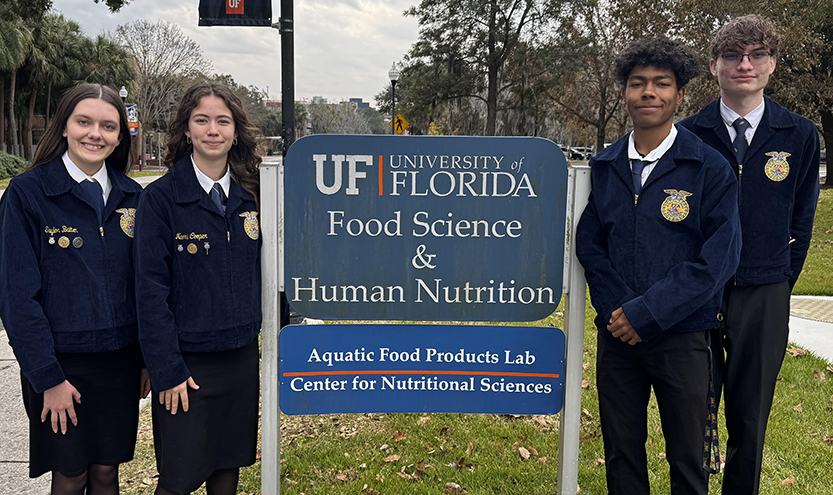
Members of Santa Fe High School’s FFA Food Science Team Taylor Batten, Naomi Cooper, Jerick King and Sam Nichol pose at the University of Florida’s Food Science and Human Nutrition building after earning a first-place finish at the state competition, qualifying them for the National FFA Convention and Expo./Photo special to Alachua County Today
ALACHUA – A blend of science, teamwork and long hours of preparation has propelled a group of Santa Fe High School students onto the national stage, where they will represent Florida in one of the Future Farmers of America’s most competitive academic events.
The school’s FFA Food Science Team earned a first-place finish at the Florida Food Science and Technology Career Development Event, securing a spot at the National FFA Convention and Expo this fall. For the four-member team, the win marks both a milestone achievement and the next step in an intensive process of refining skills that extend far beyond the classroom.
The team, consisting of seniors Sam Nichol, Taylor Batten and Jerick King, along with junior Naomi Cooper, competed against top students from across the state in a contest that tests knowledge of food safety, product development and quality control. According to the FFA, the competition “focuses on developing skills needed in the food science and technology industry through various individual and team activities.”
At the state level, the Santa Fe students were tasked with creating and presenting an original food product, completing hands-on safety and quality evaluations and demonstrating their understanding of food science principles. Their concept, called Rip+Run, featured a package of four individually wrapped trail mixes designed for convenience and nutrition.
The team presented the product to a panel of judges from the University of Florida’s Department of Food Science and Human Nutrition, gaining real-world experience in pitching ideas to industry professionals.
Individually, the team also stood out. Cooper placed second overall in the competition, Batten finished third and King placed sixth, meaning three of the state’s top six competitors came from Santa Fe High School.
All four students are part of the school’s Academy of Veterinary Assisting, a career and technical education program that integrates hands-on learning with industry-focused coursework. Their success highlights how those programs can translate classroom lessons into practical skills applicable to fields like food science, agriculture and public health.
In the months leading up to nationals, the students will continue refining their product and presentation. That preparation includes ongoing practice sessions and collaboration with local food scientist Molly Sims, who is helping guide the team as they prepare for a higher level of competition.
“This type of success doesn’t just happen,” said Brian Skipper, director of the Academy of Veterinary Assisting and the school’s FFA advisor. “Students work countless hours to make this happen under the direction and advising of talented ag teachers who go above and beyond the call of duty to prepare their students.”
Even as some team members prepare to graduate, the group is continuing its work together, focused on strengthening its performance at the national level.
For Santa Fe High School, the achievement reflects both individual dedication and the strength of its agricultural education programs. For the students, it offers an opportunity to showcase their work on a national stage and to test their ideas in a field where science, innovation and real-world application intersect.
# # #
email editor@
alachuatoday.com
Add a comment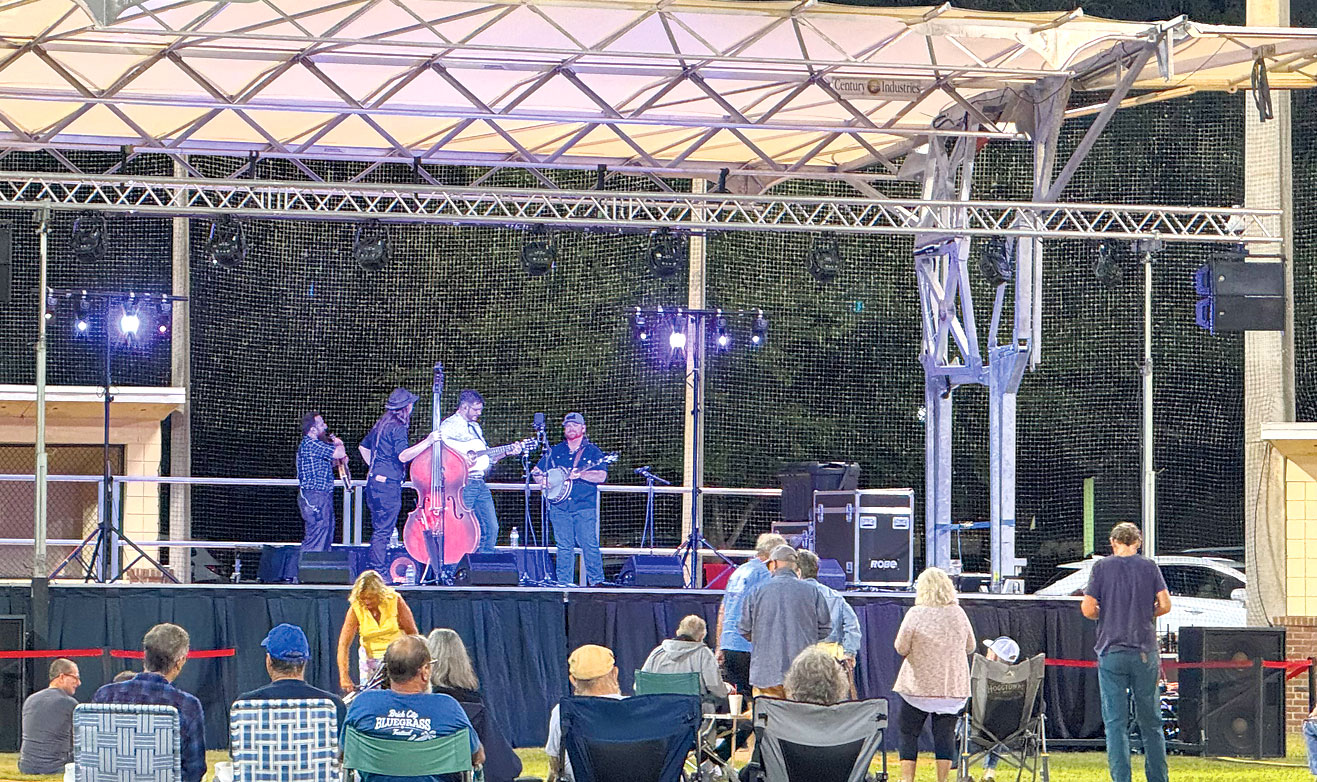
Concertgoers gather Friday, April 10, 2026, in Alachua for the second installment of the Levitt AMP Alachua Music Series, where a bluegrass band performs on the outdoor stage under clear evening skies. / Today Staff Photographer
ALACHUA – Hundreds of music lovers turned out Friday evening, April 10, 2026, for the second installment of the Levitt AMP Alachua Music Series, a marked contrast to the rain-dampened debut the week prior.
The Flattlanders, a bluegrass outfit featuring upright bass, mandolin, acoustic guitar, and banjo, delivered an energetic performance that had the crowd on their feet.
The outdoor stage came alive under warm evening skies as the four-piece band showcased tight harmonies and spirited instrumental interplay that defines the bluegrass tradition.
The series continues next Thursday, April 17, when The Foxies bring their rock sound to the stage, followed by country artist Cliff Dorsey on April 24. All shows are free and open to the public.
# # #
email editor@
alachuatoday.com
Add a commentALACHUA – Results from Tuesday's municipal elections across Alachua County showed a mix of incumbent strength and fresh faces, with voters in Newberry, Alachua, and Archer weighing in on the direction of their local governments.
Newberry
In what proved to be the most hard-fought contests of the night, Newberry voters returned all three incumbents to office in races that drew significant attention across the small city.
Richard “Ricky” Coleman held his Group 1 seat comfortably, defeating challenger Brandy Oldman by a margin of 602 to 234, capturing 72% of the vote. In the Group 2 race, incumbent Mark L. Clark turned back David "Wally" Wallace 531 to 296, earning 64% of the vote.
The Group 3 contest was the closest of the three, with incumbent Monty Farnsworth fending off two challengers. Farnsworth finished with 399 votes, good for 47%, while Naim Joseph Erched came in second with 331 votes and JD Mercado finished third with 111 votes. Because no candidate in the three-way race cleared the 50% threshold, Farnsworth won by plurality under the city's rules.
Alachua
In the City of Alachua, political newcomer Jackson Youmas navigated a three-way race to win a city commission seat, but just barely avoided a runoff.
Youmas, a Democrat backed by the Alachua County Democratic Executive Committee, which devoted considerable organizational resources to his campaign, finished with 833 votes winning 51.9% of the 1,606 ballots cast. That left him just 29 votes above the threshold required to avoid a runoff. His opponents, both Republicans running in the formally non-partisan contest, were incumbent Dayna Williams, who received 463 votes (28.8%), and Bill Menadier, who collected 310 votes (19.3%).
The narrow margin underscored how close the race came to extending into a runoff. Had just 30 votes gone the other way — shifting from Youmas to Williams or Menadier, Youmas would have fallen below the majority threshold and a runoff between the top two finishers would have been required.
Archer
In the City of Archer, Jennifer Rossi defeated incumbent Kathy Penny, 70 votes to 61, in a contest that saw Rossi capture nearly 53.5% of the 131 ballots cast. The margin was narrow but decisive, ending Penny's tenure on the city commission.
In a second Archer race, William Lewandowski ran unopposed and was elected without opposition to his commission seat.
Results are unofficial pending certification.
# # #
email editor@
alachuatoday.com
Add a comment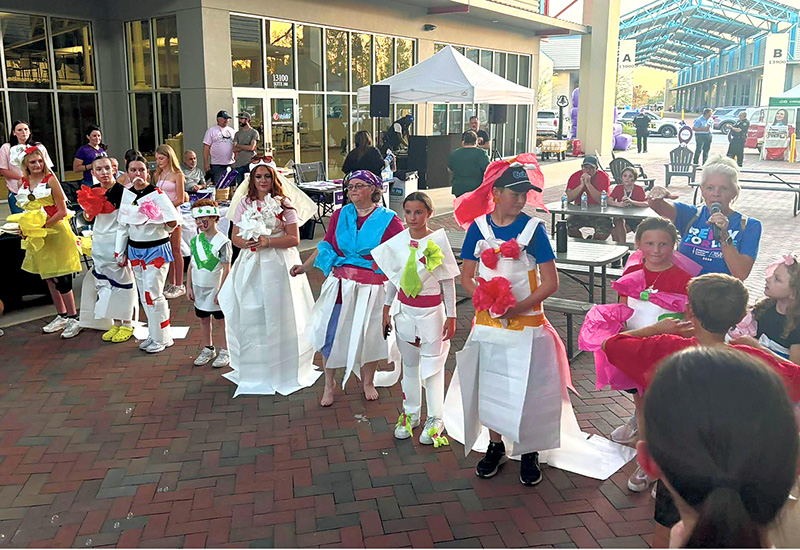
Community members gather at San Felasco Tech City for Relay For Life, an evening dedicated to honoring survivors, recognizing caregivers and supporting the fight against cancer. / Photo special to Alachua County Today
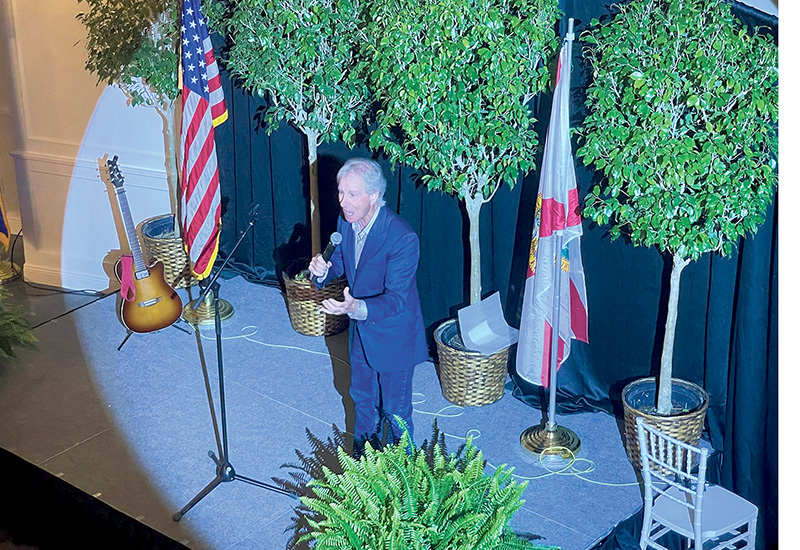
Nashville-based performer Jim Getzen provides entertainment during the 86th annual Alachua Lions Club Cattlemen’s Banquet on March 24. / Photo Special to Alachua County Today

A staff member at Frog Song Farms displays freshly harvested produce at the Hawthorne-based farm, which is serving as the anchor site for Alachua County’s Fresh Food Pathways Project pilot program aimed at strengthening local food distribution and supporting area farmers. / Photo special to Alachua County Today

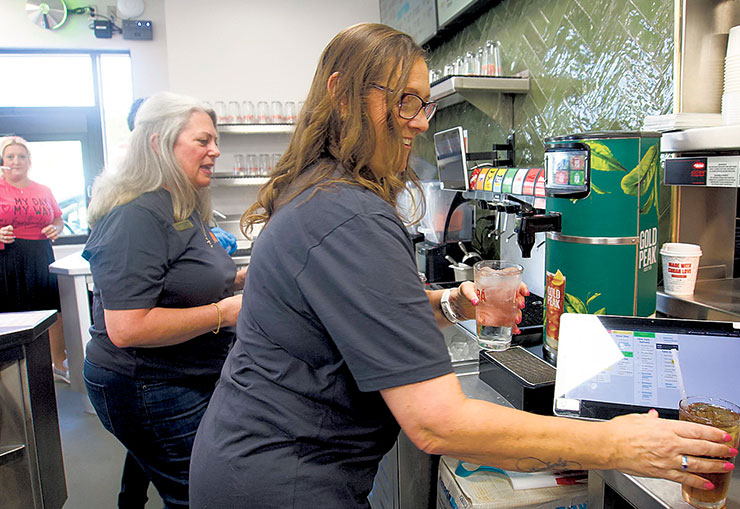
Alachua elected officials and city staff serve food to diners during the “Stick a Fork in Cancer” fundraiser held March 5, 2026, at Mi Apa Latin Café in Alachua. The annual event supports the American Cancer Society’s Relay for Life, with a portion of the day’s restaurant proceeds donated to cancer research and patient services. / Photo special to Alachua County Today
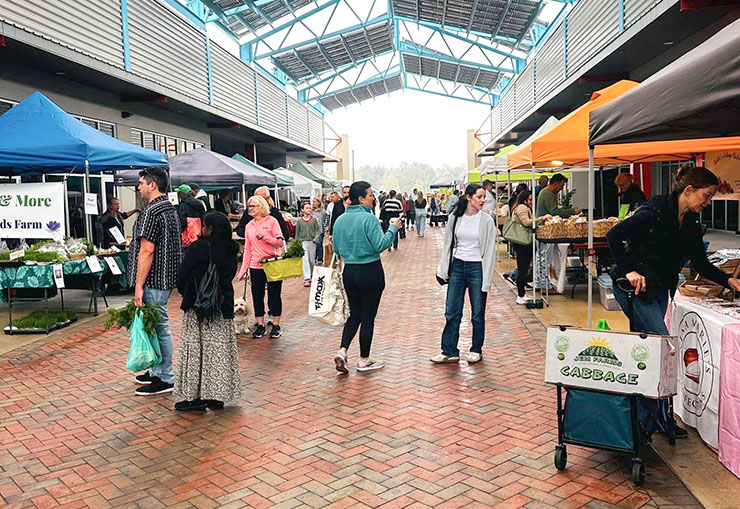
Shoppers browse vendor booths at the Alachua County Farmers Market at its new home in San Felasco Tech City. The more than 50-year-old market is now in full swing at the Tech City location, operating Saturdays from 8:30 a.m. to noon. / Photo special to alachua County Today

Structural roof and stabilization work is underway at the historic Priest Theatre in downtown High Springs. The City of High Springs has undertaken repairs to address long-standing deterioration at the 1910-era landmark. / Alachua County Today Staff Photographer

Alachua celebrates the ribbon cutting for Theatre Park. / Photo special to Alachua County Today
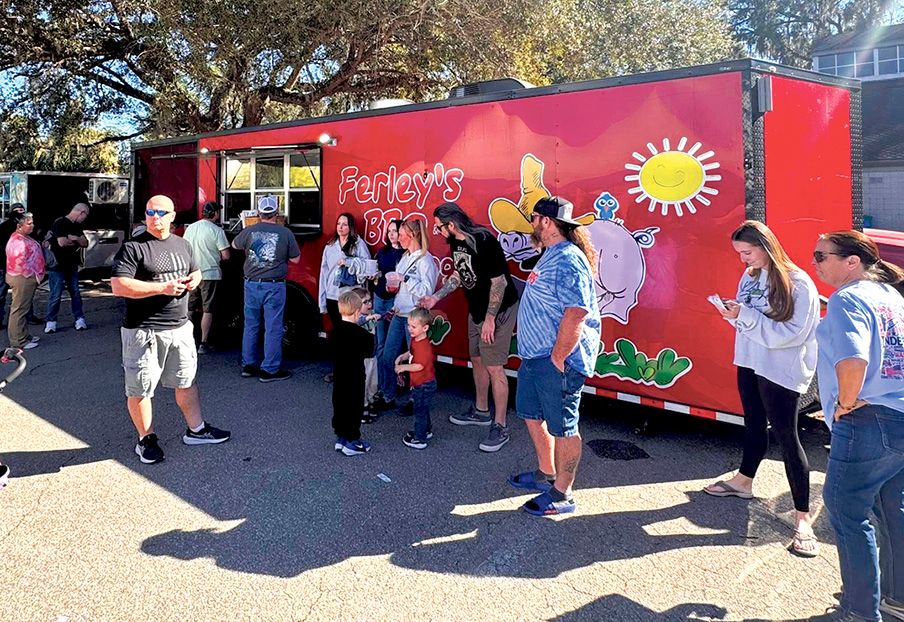
The BBQ Contest Grand Champion award went to Ferley's BBQ & More (above) / Photoby JODI REBECCA SPURLIN special to Alachua County Today
ALACHUA – A group of teachers, parents and community members in Alachua are pushing back against a proposal that could close Irby Elementary School, and they want the school board to hear them before it’s too late.
The Alachua County School Board is expected to vote on the school’s future at its May 5 meeting. The board will also hold a workshop April 29 to discuss the options ahead of that vote. For many in the Alachua community, those two dates feel like a closing window.
Irby Elementary, which currently serves pre-K through second grade students, was added to the district’s list of potential closures in February, just 10 days before the board held its initial vote on school consolidations across the county. Most other school closures being considered by the district had been announced months earlier, in November 2025.
For Lisi Osborne, who has taught at Irby since 2004, the timing felt rushed and the process has felt one-sided ever since.
“Irby faculty and staff heard about it on the news,” Osborne said. “This isn’t just a job. This isn’t just a place we come to every day to work. This is our home and this is our family.”
A hidden gem, advocates say
Osborne describes Irby as a school that is easy to overlook from the outside but hard to forget once you’ve walked its halls. Colorful sensory paths cover the floors. Murals line the walls throughout campus. The facilities, she said, are well-maintained and designed specifically with young children in mind.
“Irby Elementary is a hidden gem in the community of Alachua,” Osborne said. “It always has been. It is one of a kind.”
The school’s supporters have spent weeks building a case for keeping it open. Faculty and families have sent more than 200 emails to the school board. They have shared Google Maps comparisons of Irby’s campus alongside schools in Gainesville with the same floor plan that currently house pre-K through fifth grade students. They have submitted proposed classroom layouts to board member Dr. Sarah Rockwell showing how third and fourth grade could be added to the Irby campus without major new construction.
Their central argument: closing Irby isn’t necessary. The building can handle more students, and the community needs it.
The entire board has been invited to tour the campus and see it for themselves. So far, Rockwell is the only member who has accepted, spending several hours in Irby’s media center listening to staff concerns and reviewing the case for keeping the school open. Osborne said board members Janine Plavec and Dr. Leanetta McNeely have also been receptive and supportive throughout the process.
The district’s options
The district is weighing four options for Irby’s future. Three would allow the school to remain open, expanding from its current pre-K through second grade configuration to serve pre-K through fifth grade. The differences between those three options largely come down to how attendance zones would be drawn, specifically, how students on either side of U.S. Highway 441 would be divided between Irby and a newly renovated Mebane K-8 School.
The fourth option would close Irby entirely, consolidating its students into Mebane K-8 School alongside students from Alachua Elementary School, which is also slated to close in 2028.
The district’s push to consolidate schools is driven in part by state legislation passed in 2025 that allows charter schools to move into public school facilities operating below certain enrollment thresholds. Under that law, a district would be required to share its building with a charter school and help fund its operation, with no say in how it is run.
Dividing the community
Even among the options that would keep Irby open, Osborne and other community members have concerns. Several of the rezoning proposals would draw the attendance boundary along U.S. Highway 441, a line she says follows existing economic divisions in the city.
“There is more poverty and government housing on the north side of 441,” Osborne said. “This would divide our community even more.”
Osborne and other Irby advocates have proposed an alternative: keep all pre-K through fourth grade students together at Irby, with fifth graders transitioning to Mebane. That approach, they argue, would preserve the sense of community that has defined the Alachua school system for years while still addressing enrollment imbalances.
Parents have also raised concerns about young children being placed on a middle school campus. Several families have told Osborne they are already exploring private and charter school options if Irby closes.
“I fear that the board’s plan may hurt our already low enrollment even more,” she said.
Fears about what closure would mean
Osborne also questions the financial logic behind closing Irby. Consolidating students at Mebane would require building new facilities on its campus to house elementary students separately from the middle school population, a project the district says it plans to complete by August 2028. That construction cost, she argues, makes little sense when Irby’s building is already designed for and suited to elementary-age children.
“Closing Irby and building a new facility on Mebane’s campus will cost millions and millions of dollars when our district is in major debt already,” she said.
What comes next
The board will hold a workshop on April 29 at 10 a.m. before the final vote on May 5 at its 6 p.m. meeting. Osborne and other Irby supporters plan to be present and vocal at both.
She has taught at Irby for more than two decades. Her own children attended the school. That history, she said, makes it impossible to stay quiet while its future is being decided.
“We are pleading to the board to think about what would best benefit our community, our children and our families,” she said.
# # #
email editor@
alachuatoday.com
Add a comment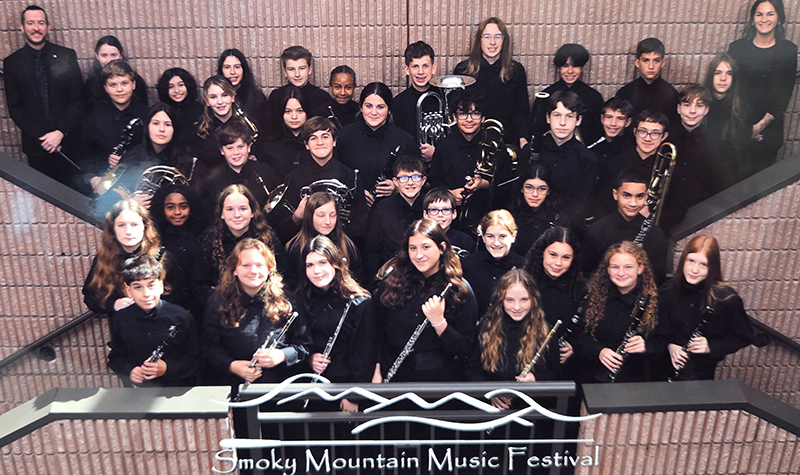
Kanapaha Middle School Ensemble Wins Top Honors/Photo special to Alachua County Today
Gainesville – The Kanapaha Middle School Wind Ensemble’s first performance outside of Florida was an extremely successful one, with the 39 young musicians winning first place for middle school concert bands in the recent Smoky Mountain Music Festival in Gatlinburg, Tennessee.
“The icing on the cake was their 95.67 score out of 100, which was not only first place in their division, but the highest score given to all the groups that performed at the event, including all middle and high school ensembles,” said Michael Loffredo, who directed the ensemble with Summer Atteberry.
The Smoky Mountain Music Festival, established nearly 40 years ago, draws top student ensembles from throughout the U.S. and Canada. The groups are given the opportunity to demonstrate their talents before highly-respected and internationally-recognized judges.
The Kanapaha ensemble performed three pieces at the event, which was the first out-of-state appearance in the history of the school’s band program.
Two members of the ensemble were also singled out for special honors. Flutist MaryAnne Leko and trumpet player Laila McCaslin, both 8th-graders, performed solos at the competition and were recognized for outstanding achievement and performance.
# # #
email editor@
alachuatoday.com
Add a comment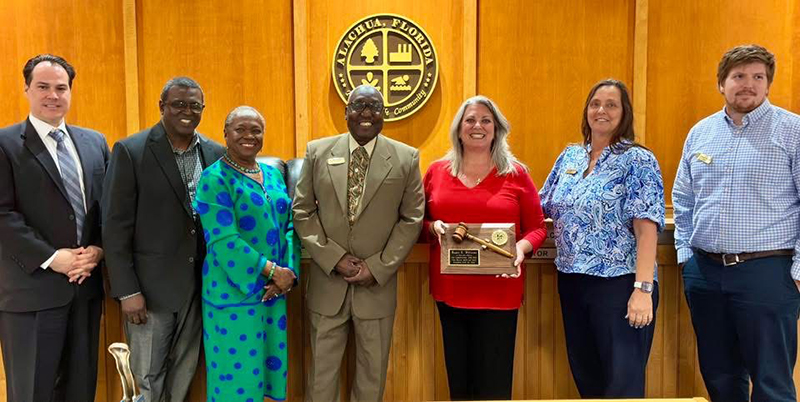
Outgoing Commissioner Dayna Williams, who served as city commissioner from 2018 to 2026 and as vice mayor in 2020 and 2023, was presented with a commemorative gavel plaque on behalf of the city, crediting her dedication and thoughtful decision making during her years guiding the city through important initiatives and challenges./ Photo by KENYATA CURTIS Special to Alachua County Today
ALACHUA – Jackson Youmas was sworn in as Alachua City Commissioner for Seat 3 at Monday's commission meeting, stepping into the role following his victory in the April 14, 2026, city election. The evening also served as a formal farewell to outgoing Commissioner Dayna Williams, who completed her eight years of service, and produced a contested vice-mayor vote that ended with Commissioner Jennifer Ringersen claiming the seat 3-2.
Ringersen wins vice-mayor vote in split decision
Immediately after the swearing in, the commission turned to electing a vice mayor, a required annual action under the city charter following each city election. City Manager Valladares called for nominations.
Commissioner Shirley Green Brown nominated Ringersen, while Youmas nominated Commissioner Jacob Fletcher. With two names on the table, Valladares called a roll-call vote on the Ringersen nomination.
Fletcher voted nay, stating it would be a disservice to vote for Ringersen when he was also nominated. Ringersen voted aye. Youmas voted nay. Mayor Walter Welch voted aye4, and Green-Brown, who had made the nomination, voted aye, delivering Ringersen the vice mayor seat by a 3-2 margin.
Dayna Williams says goodbye
Before the vote on the vice mayor, the commission honored Williams, who served as city commissioner from 2018 to 2026 and as vice mayor in 2020 and 2023. Valladares presented her with a commemorative gavel plaque on behalf of the city, crediting her dedication and thoughtful decision making during her years guiding the city through important initiatives and challenges.
Williams then addressed the chamber in remarks that drew sustained applause.
“Serving the city of Alachua for the past eight years has been one of the greatest honors of my life,” Williams said. “I truly believe that seasons in life have purpose, and I feel at peace knowing that mine has come to a close.”
She made personal remarks to each of her colleagues on the dais. To Youmas, she offered both encouragement and an open door: “I want to thank you for having the guts and bravery to just run for office. That alone takes a big leap of faith. You've got a big job. I know you know that, and I want you to know I will be here if you have any questions.”
She praised Green-Brown as a mentor and maternal figure, called Ringersen a friend and praised her growth as a commissioner, expressed hope for productive differences with Fletcher, and thanked City Manager Valladares, calling him “my rock,” for his guidance over the years. She said she and Welch had learned a lot from each other.
“I was a part of this community before I got elected. I will continue to be a part of this community afterwards,” Williams said, drawing laughter when she quipped near the end of her remarks: “I thought I was going to make it short, but I guess I didn't, and I apologize. But what are you going to do? Fire me?”
Youmas addresses his election, sets tone for service
Near the close of the meeting, during commissioner comments, Youmas spoke at length about why he ran and how he intends to serve.
He thanked supporters and offered what amounted to a statement of purpose, pushing back against media coverage and public speculation about his motivations and the circumstances of his candidacy.
“People never came and asked me,” Youmas said. “I was at CVS, but I met people from this community, all walks of life, from Turkey Creek to Legacy and everywhere else, and they told me their concerns, and it had nothing to do with Commissioner Fletcher or the mayor.”
He confirmed that Fletcher and Mayor Welch had encouraged him to run, but rejected any suggestion of a coordinated back-room arrangement. His wife, Robin Youmas, told the commission during public comment that Fletcher and the mayor had encouraged him because they recognized him as a good man and believed he would be an asset to the community, not because of any hidden agenda.
Youmas, who described himself as a licensed minister, said his decision to run came only after prayer and reflection. “That's how I move. I'm a man of God,” he said. “And I want to thank the community for just believing in me. Every vote we got, we earned it, by meeting people where they were.”
He closed with a call for the commission to move away from division and focus on the work. “All the drama, all the ‘he-said-she-said’, all that kind of stuff has got to stop. It's time for business. It's time to be real and serious about what we do and take care of the people. Let's show it. Let's do it. Let's do it together.”
Youmas will serve a three-year term for Seat 3.
# # #
email editor@
alachuatoday.com
Add a comment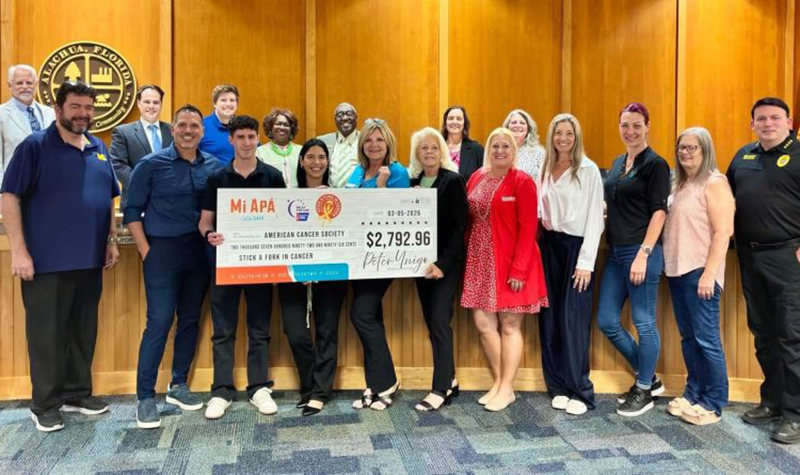
Alachua Chamber of Commerce representatives, Mi Apa Latin Cafe staff and local officials pose during a recent Alachua City Commission meeting after the presentation of a $2,792.96 donation supporting the American Cancer Society through the “Stick A Fork in Cancer” fundraiser./Photo special to Alachua County Today
ALACHUA – A local restaurant’s community-driven fundraiser delivered nearly $2,800 to support cancer research and patient services, with the presentation made during a City Commission meeting.
The Alachua Chamber of Commerce Relay For Life Team accepted a $2,792.96 donation from Mi Apa Latin Cafe, presented by owner Peter Ynigo, as part of the restaurant’s annual “Stick A Fork in Cancer” initiative benefiting the American Cancer Society.
The fundraiser on March 5, 2026, brought together a mix of community leaders and volunteers who stepped out of their usual roles to serve diners. Police officers, city officials, commissioners and Chamber board members joined Mi Apa staff as “celebrity servers,” helping collect tips that were ultimately donated to the cause.
“Last month’s event was truly special, as police officers, city officials, commissioners, Chamber board members, and yes, even a few of us, stepped in as celebrity servers alongside the amazing Mi Apa team,” said Alachua Chamber President Shelley Vickers. “Together, we served our community, raised funds, and shared a lot of smiles along the way.”
Vickers credited the restaurant’s team for making the contribution possible.
“A heartfelt thank you to Peter, Freddie Wehbe, and the entire Mi Apa team for their continued generosity and unwavering support of this important cause,” she said. “We are especially grateful to the staff who donated all of their tips to make this contribution possible.”
She also recognized the volunteers who participated in the event.
“We’d also like to recognize our dedicated volunteer servers from the City of Alachua Commission, Alachua Police Department, and the Alachua Chamber Board,” Vickers said. “Your time, energy, and servant hearts made a meaningful impact in the fight against cancer.”
The annual “Stick A Fork in Cancer” event is part of broader Relay For Life activities held in Alachua, which aim to raise awareness and funds for the American Cancer Society through community-based events.
“This is what community looks like, coming together, giving back, and making a difference,” Vickers added.
# # #
email editor@
alachuatoday.com
Add a comment
The new Hawthorne Branch library, located at 6640 S.E. 221 St., will open to the public Saturday, April 25, 2026, with a ribbon-cutting ceremony and tours. The expanded facility includes dedicated spaces for children, teens and community use, along with a MakerSpace offering access to creative tools and technology./Rendering special to Alachua County Today
HAWTHORNE – A new chapter for public access, learning and community connection will begin Saturday morning as the Alachua County Library District opens its new Hawthorne Branch, a facility designed to expand services and create gathering space in a city where the library has long served as a central hub.
A grand opening ceremony and ribbon cutting is scheduled for 9:30 a.m. on April 25, 2026, at the branch’s new location, 6640 S.E. 221st Street, followed by self-guided tours of the building.
The new branch replaces the previous location with a larger, modern facility that library officials say reflects years of planning and a broader effort to strengthen library infrastructure across Alachua County. Construction on the building began in early February 2026 and was completed in time for the spring opening.
For residents of Hawthorne, the expansion represents more than just a new building. It adds dedicated spaces for children, teens, students and adults, reinforcing the library’s role as both an educational resource and a community meeting place.
The branch includes a “Snuggle-Up Center” for young children and families, a designated Teen Space, a Quiet Reading Room and two study rooms. A meeting room provides space for local groups and programming, while a new MakerSpace introduces access to creative tools and technology.
Library officials say the MakerSpace is intended to give residents hands-on opportunities with equipment and digital resources that might otherwise be out of reach.
The Hawthorne project is part of a long-term capital improvement strategy by the Library District, which since the early 2000s has focused on renovating, expanding and building facilities to meet the needs of a growing and evolving population.
“We hope the new Hawthorne Branch will bring more opportunities for patrons to participate, connect, and discover all the wonderful library services the Alachua County Library District has to offer,” said Library Director Shaney Livingston.
Beyond books and computers, library leaders say the new space is designed to support community life — offering a place for students to study, families to gather, residents to attend programs and individuals to access technology and information.
In smaller communities like Hawthorne, where public spaces can be limited, the library often serves as a central, accessible venue for civic engagement, education and social connection. The expanded branch aims to build on that role, providing a modern, flexible environment for residents of all ages.
Saturday’s opening invites the public not only to tour the building, but to see firsthand how the new branch is positioned to serve as a cornerstone of the community for years to come.
# # #
email editor@
alachuatoday.com
Add a commentHIGH SPRINGS – One of two women pulled unresponsive from the water at Poe Springs Park on Sunday has died, while the second remains hospitalized in critical condition, according to the Alachua County Sheriff’s Office.
Deputies responded shortly before 4 p.m. April 19, 2026, to the popular spring following a report of a possible drowning. The caller reported that two individuals had been removed from the water and were unconscious.
Authorities said a teenage snorkeler located the women in the water, pulled them to shore and contacted emergency services. A bystander with medical training then began CPR before deputies, High Springs Fire Department personnel and Alachua County Fire Rescue paramedics arrived and continued life-saving efforts.
Both women were transported to a nearby hospital. Officials said a woman in her late 20s later died, while another woman in her mid-20s remained in critical condition as of the latest update.
Preliminary information indicates the incident began when one woman was walking along the edge of the spring and fell into the water, where she began to struggle. A second woman entered the water in an attempt to help but was also pulled under.
When others nearby realized the two had not resurfaced, they entered the water and assisted in bringing them back to shore, where CPR was initiated.
As a precaution, the Sheriff’s Office Marine Operations Underwater Recovery Team searched the area to ensure no additional victims were involved.
“This remains an active investigation and no further details are available at this time,” the Sheriff’s Office said in a statement.
Authorities also acknowledged those who responded before emergency crews arrived.
“We are deeply grateful to the citizens who acted quickly in a dangerous and uncertain situation,” the agency said. “Their willingness to help made a critical difference.”
Officials also thanked the High Springs Police Department and High Springs Fire Department for their assistance.
Poe Springs Park, located along the Santa Fe River, is a popular destination for swimming and recreation, particularly during warmer months. The incident serves as a reminder of the potential dangers even in familiar natural settings.
Authorities have not released the identities of the women as the investigation continues.
# # #
email editor@
alachuatoday.com
Add a commentTALLAHASSEE – United States Attorney John P. Heekin highlighted a year of expanded prosecutions, civil recoveries and appellate work in a summary of the U.S. Attorney’s Office for the Northern District of Florida’s accomplishments during 2025.
In announcing the annual summary, Heekin said the office advanced the priorities of the U.S. Department of Justice while focusing on public safety and enforcement across northern Florida.
“This past year was momentous for the United States Attorney’s Office for the Northern District of Florida as we capably answered the calls to action by President Donald J. Trump and Attorney General Pam Bondi while fulfilling the vital mission of the Department of Justice,” Heekin said. “Through our work, we have demonstrated our unwavering commitment to the rule of law and the safety and well-being of our communities.”
Heekin credited partnerships with federal, state and local law enforcement agencies and said those relationships would continue to be strengthened in 2026 “as we strive toward delivering safe streets for our residents.”
Criminal Division activity
The U.S. Attorney’s Office divides its federal casework among three divisions: Criminal, Civil and Appellate.
According to the annual summary, the Criminal Division played a central role in enforcement efforts during 2025 through Operation Take Back America, a Department of Justice initiative aimed at addressing illegal immigration, dismantling cartels and transnational criminal organizations, and combating violent crime, drug trafficking and human trafficking.
During calendar year 2025, prosecutors in the Northern District of Florida reported:
The office said those efforts focused on communities impacted by illegal drugs and criminal violence.
Civil Division recoveries
The Civil Division represents the United States in civil litigation, defends federal agencies and employees, and pursues affirmative cases to recover funds lost to fraud or improper claims. The division also enforces criminal and civil monetary judgments through its Financial Litigation Program.
In 2025, the Civil Division reported:
Appellate work
The Appellate Division represents the government in appeals before the 11th U.S. Circuit Court of Appeals. During 2025, the division handled:
Looking ahead
“The substantial accomplishments of 2025 are merely the foundation upon which we will build even greater achievements in 2026,” Heekin said.
He added that expectations set by the president and attorney general call for continued focus on public safety and oversight of federal programs.
“In 2026, we will remain tireless in our pursuit of justice on behalf of our citizens and committed to making the Northern District of Florida the absolute best – and safest – place in America to live, work and raise a family,” Heekin said.
More information about the Northern District of Florida’s responsibilities and divisions is available through the Department of Justice.
# # #
Email cwalker@
alachuatoday.com
Add a comment~ The following is a press release provided by Florida TaxWatch. It has been published here as received, without additional reporting or editing by Alachua County Today staff. ~
Tallahassee, Fla. – Today, Florida TaxWatch released a second report, Save Our Taxpayers – Property Tax Relief Must be Accomplished Equitably, as a follow up to its original report Options to Eliminate or Reduce the Property Tax Burden on Florida Homeowners primer, as the 2026 Legislative Session commences. This report examines the Florida House of Representative’s proposals, provides the fiscal impact of each, and calls for a ‘Save Our Taxpayers’ ballot amendment for equitable property tax relief.
Property taxes are by far the largest source of tax revenue for Florida’s local governments, generating $59.2 billion in FY2025-26 for counties, school districts, municipalities, and special districts, and that amount is rising rapidly. Of this total, more than $20 billion is paid by Florida homeowners. This revenue funds critical government services such as public safety, fire protection, education, and sanitation.
Florida TaxWatch President and CEO Jeff Kottkamp said, “While the Governor and many in the Legislature want to bring a property tax relief proposal to the voters in 2026, they are far from a consensus of what that proposal will look like. Property tax levies, fueled by rising property values, are increasing rapidly in Florida. They have more than doubled in the last 10 years, including 50 percent growth in the last four years. In turn, many local government budgets have dramatically increased over the last 10 years.
“Providing property tax relief to Florida taxpayers is commendable and the focus on homestead property by the Governor and the Legislature is understandable. But putting a proposal on the 2026 ballot to eliminate all property taxes, without also addressing ever escalating local government spending, is not advisable.
“Florida TaxWatch provides six recommendations, with actionable items, calling for a ‘Save Our Taxpayers’ amendment to replace the current inadequate 10 percent non-homestead assessment cap with one that matches the Save Our Homes cap of the lesser of three percent or inflation for all property owners. We look forward to working with policymakers to ensure property tax relief is equitable for all of Florida’s hardworking taxpayers.”
Those who have been bearing the brunt of rising property taxes should not be forgotten. This includes renters, businesses, people renovating or building an addition to their home, people moving to Florida, and new homeowners. Almost all of the proposals before the Legislature would increase the tax shift from homestead to non-homestead property that already stands at more than $10 billion and growing.
The time is right for a “Save Our Taxpayers” cap to be created, limiting the increases in assessments for both homestead and non-homestead property at the same growth rate. This has been a long-standing Florida TaxWatch recommendation and its research helped to get the constitutional amendment on the ballot that created the 10 percent homestead cap in 2008.
Based on the findings in this report, Florida TaxWatch recommends:
Florida TaxWatch also examines the Florida House of Representatives’ seven proposed constitutional amendments and one statutory change, including the fiscal impact of each, which may be found on pages 5 through 8 here.
About Florida TaxWatch
As an independent, nonpartisan, nonprofit government watchdog and taxpayer research institute, and the trusted “eyes and ears” of Florida taxpayers for more than 45 years, Florida TaxWatch (FTW) works to improve the productivity and accountability of Florida government. Its research recommends productivity enhancements and explains the statewide impact of fiscal and economic policies and practices on taxpayers and businesses. FTW is supported by its membership via voluntary, tax-deductible donations and private grants. Donations provide a solid, lasting foundation that has enabled FTW to bring about a more effective, responsive government that is more accountable to, and productive for, the taxpayers it has served since 1979. For more information, please visit www.floridataxwatch.org.
# # #
email editor@
alachuatoday.com
Add a comment~ The following is a press release provided by the office of Governor Ron DeSantis. It has been published here as received, without additional reporting or editing by Alachua County Today staff. ~
JACKSONVILLE, Fla.—Today, Governor Ron DeSantis joined First Lady Casey DeSantis and Mayo Clinic President and CEO Dr. Kent Thielen to announce that Mayo Clinic in Jacksonville is launching the first carbon ion therapy program in America and the only carbon ion therapy program in the Western Hemisphere.
“Our administration is committed to fighting cancer by making targeted investments in innovative therapies that have the potential to save lives," said Governor Ron DeSantis. "During my time as governor, we’ve increased funding for cancer research and treatment programs by more than 114 percent. The Casey DeSantis Cancer Research Program has strengthened Florida’s position as a national leader in cancer research and innovation. We’re proud that Mayo Clinic chose Florida as the home for this groundbreaking initiative, and we look forward to seeing how these cutting-edge therapies give hope to patients fighting some of the most aggressive and treatment-resistant cancers.”
In June 2025, Mayo Clinic opened the 228,000-square-foot Duan Family Building in Jacksonville to expand cancer treatment and research. The new facility will be uniquely designed to deliver both carbon ion therapy and proton therapy, including the ability to treat the same tumor with either approach for greater precision.
“Under the Governor’s leadership, Florida continues to lead in innovation, and today at Mayo Clinic Jacksonville, we are proving that this leadership extends beyond our state, transforming not only how we care for Floridians, but also how the rest of America approaches cancer treatment,” said First Lady Casey DeSantis. “This state-of-the-art technology was made possible, in part, through funding from the Casey DeSantis Cancer Research Program.”
Mayo Clinic expects proton therapy to begin in 2027 and carbon ion therapy to begin in 2028. Patients will benefit from expanded care well before then through additional services already being offered at the facility, including photon therapy, immunotherapy, CAR-T cell therapy, advanced imaging, and other specialized cancer services.
Carbon ion therapy is one of the most advanced radiation treatment technologies in the world, designed for hard-to-treat and treatment-resistant cancers. Until now, the therapy has only been available at a limited number of centers in Asia and Europe.
Florida continues to invest heavily in cancer research and treatment. Since 2019, Florida has invested more than $1 billion, increasing cancer program funding by more than 114% and committing nearly $218 million for cancer research in 2025 alone.
# # #
email editor@
alachuatoday.com
Add a comment“Today in Highlands County, I was proud to announce $311 million in grant awards to improve infrastructure in 37 communities across Florida impacted by the major storms of 2023 and 2024—Hurricanes Idalia, Debby, Helene, Milton and the North Florida Tornadoes,” said Governor Ron DeSantis. “These infrastructure projects will help make Florida more prosperous, more resilient, and better prepared to weather any storms that may come our way.”
“These awards directly support job creation by providing communities with the critical infrastructure to embolden their vision for resiliency and business formation,” said Florida Secretary of Commerce J. Alex Kelly. “Whether it’s upgrading utilities, developing pad ready manufacturing sites, or improving essential services, these projects help small and rural communities attract job creators, bolster their workforce and build a thriving economic future.”
The following communities will receive funds through the 2023 and 2024 Storms Community Development Block Grant-Disaster Recovery (CDBG-DR) Infrastructure Repair Program:
The following communities will receive funds through the Rural Infrastructure Fund Program:
# # #
email editor@
alachuatoday.com
Add a comment
TALLAHASSEE – Florida students are invited to take part in the 2025 Native American Heritage Month art and essay contests, celebrating this year’s theme: “Celebrating Florida’s Native American Heritage,” according to an announcement Thursday from the Florida Department of Education and Volunteer Florida.
Native American Heritage Month is observed nationwide each November and serves as a time to acknowledge the cultural, historical and artistic contributions of Native Americans. This year’s contests are designed to encourage students across all grade levels to explore and share stories of Florida’s Native American leaders, artists and historical figures.
“We are proud to offer students opportunities to learn from and honor the Native Americans who have shaped Florida’s story,” said Commissioner of Education Anastasios Kamoutsas. “I encourage every student to learn about our Native American history and discover the remarkable achievements they made.”
Volunteer Florida CEO Josie Tamayo echoed the message, stating, “I am proud to celebrate the culture and heritage of Native Americans who enrich the value of our Nation. During Native American Heritage Month, we honor the many contributions of Native American Floridians.”
Art Contest Details
All Florida students are eligible to participate. Students in grades K–3 may enter the art contest by submitting one original, two-dimensional piece of artwork reflecting this year’s theme. Four statewide winners will be selected, with each receiving a $200 gift card for school supplies and a one-year pass to Florida State Parks.
Essay Contest Details
Students in grades 4–12 may enter the essay contest. Six winners will be chosen—two from each grade level group (4–5, 6–8, 9–12). Each winning essayist will receive a two-year Florida College Plan scholarship from the Florida Prepaid College Foundation and a $200 school-supply gift card. Essays must be written in English, no longer than 500 words, and focus on a Native American Floridian who has had a meaningful impact on the state’s history or culture.
Examples of suggested subjects include Betty Mae Tiger Jumper, the first woman elected Chair of the Seminole Tribe of Florida; Ulele, sometimes referred to as “Florida’s Timucuan Pocahontas”; Osceola, a prominent advocate for Seminole rights in the 1800s; and Noah Billie, a noted Seminole painter.
Excellence in Education Award
The Governor’s Native American Heritage Month Excellence in Education Award is open to all full-time educators in Florida’s elementary, middle and high schools. Four winners will be selected. Nominations may be submitted by teachers, principals, parents, guardians or students. Winners will receive $2,500 from Volunteer Florida.
How to Enter
Contest entry forms and educator nomination forms may be submitted online or mailed to:
Volunteer Florida
Native American Heritage Month Committee
1545 Raymond Diehl Road, Suite 250
Tallahassee, Florida 32308
All entries must be received by 5 p.m. Eastern Time on Friday, Nov. 21, 2025. Additional information is available at www.floridanativeamericanheritage.com.
# # #
Email cwalker@
alachuatoday.com
Add a commentJACKSONVILLE, Fla. —Today, Governor Ron DeSantis and First Lady Casey DeSantis announced Florida awards $30 million in grant funding to four specialty children’s hospitals in Florida to develop and improve access to clinical trials, advance treatment protocols, and discover cures for childhood cancer. Johns Hopkins All Children’s Hospital in St. Petersburg, Nemour’s Children’s Hospital in Orlando, Nicklaus Children’s Hospital in Miami, and Wolfson Children’s Hospital in Jacksonville were each awarded $7.5 million.
“Since I became governor, Florida has invested more than $1 billion in cancer research and treatment—a 114% increase. We created the Cancer Connect Collaborative Research Incubator program within the Florida Department of Health this year to enhance cancer research throughout Florida,” said Governor Ron DeSantis. “Four of Florida’s top children’s hospitals have received a total of $30 million in funding for their innovative proposals to help children and adolescents who are fighting cancer. By investing in statewide infrastructure for pediatric cancer initiatives, we aim to eliminate the need for Florida families to travel out of state for potentially life-saving experimental therapies and specialized care.”
The Cancer Connect Collaborative Research Incubator was created in 2025 to further Florida efforts as a leader in cancer research and treatment. The Incubator is funded with $30 million and will focus on pediatric cancer in its first five-year funding cycle. While pediatric cancer accounts for just one percent of cases nationally, Florida’s pediatric cancer population is significant, with the state accounting for six percent of all new pediatric cancer cases in the U.S., thereby impacting thousands of children and families every year.
“Research Incubator investments to advance research, prevention, and treatment for pediatric cancer represents a meaningful step forward in our mission to improve outcomes, strengthen families, and ensure that every child has access to the most advanced care possible right here in Florida,” said First Lady Casey DeSantis. “I’m deeply grateful to Governor DeSantis for his unwavering leadership and commitment to advancing cancer research in Florida.”
“Thanks to the vision and leadership of First Lady Casey DeSantis, Florida continues to set the national standard for advancing adult and childhood cancer research and care,” said State Surgeon General Dr. Joseph A Ladapo. “Through the Cancer Connect Collaborative Research Incubator, we’re not only investing in science—we’re investing in hope for children and families across the state.”
The Incubator is part of Florida’s Cancer Connect Collaborative, an innovative model designed to accelerate research, share best practices, and turn data into actionable results. Guided by five pillars—Data, Best Practices, Innovation, Honesty, and Funding—the initiative brings together public and private partners to reshape cancer care delivery.
“Thanks to the leadership of First Lady and Governor DeSantis, Florida continues to make cancer research and treatment a top priority,” said Agency for Health Care Administration Secretary Shevaun Harris. “The Cancer Connect Collaborative Research Incubator is a bold step forward, beginning with pediatric cancer research. We look forward to seeing the strides made among the awardees and the collaboration that will accelerate breakthroughs, improve access to therapies, and offer hope to families across our state.”
# # #
email editor@
alachuatoday.com
Acetaminophen — best known today by the brand name Tylenol — is one of the most widely used pain relievers in the world. But its path from laboratory discovery to medicine cabinet staple spans more than a century and includes missteps, rediscovery and one  of the most significant public health crises in modern pharmaceutical history.
Early discovery and setbacks
Acetaminophen was first synthesized in 1878 by chemist Harmon Northrop Morse, but its medical potential was not immediately recognized.
In the late 1800s, researchers began exploring related compounds as treatments for fever. In 1886, German physicians Arnold Cahn and Paul Hepp inadvertently discovered the fever-reducing properties of acetanilide after administering it by mistake while treating a patient. The drug was later marketed under the name Antifebrin.
Concerns about side effects soon led scientists to investigate alternatives. Phenacetin was introduced in 1887, and acetaminophen itself was used for pain and fever by 1893. However, early concerns — later determined to be unfounded — limited its adoption.
It was not until the 1940s that researchers determined both acetanilide and phenacetin were metabolized by the body into acetaminophen, identifying it as the true source of their therapeutic effects.
The rise of Tylenol
Renewed interest in acetaminophen grew in the 1950s, particularly as researchers sought safer alternatives to aspirin, which was associated with stomach irritation and other risks.
In 1955, McNeil Laboratories introduced Tylenol Elixir for Children, the first single-ingredient acetaminophen product marketed under the now-familiar brand name. The name “Tylenol” was derived from the drug’s chemical structure.
Initially available by prescription, Tylenol gained over-the-counter status in 1960, significantly expanding its reach. Its positioning as a safer option for children and adults helped drive widespread adoption.
A crisis that reshaped the industry
Tylenol’s dominance was challenged in 1982 during a crisis that would permanently change pharmaceutical safety standards.
Seven people in the Chicago area died after ingesting Extra Strength Tylenol capsules that had been laced with potassium cyanide after leaving the manufacturing facility. The incident prompted a nationwide recall of approximately 31 million bottles.
In response, manufacturer Johnson & Johnson implemented sweeping safety measures, including the introduction of tamper-resistant packaging and new pill designs such as the caplet, which is more difficult to alter than traditional capsules.
The incident led to federal action, including legislation making product tampering a crime and the establishment of U.S. Food and Drug Administration guidelines requiring tamper-evident packaging for over-the-counter medications.
A global staple
Today, acetaminophen is one of the most commonly used medications worldwide for pain relief and fever reduction. Its widespread availability and long track record have made it a standard recommendation in both clinical and household settings.
* * *
William Garst is a consultant pharmacist who lives in Alachua, Florida. He is semi-retired and works part time at Lake Butler Hospital in Lake Butler, Florida. William received his pharmacy degree at Auburn University and a Doctor of Pharmacy from Colorado University. The Pharmacy Newsletter is a blog where you can find other informative columns. He may be contacted at garstcph@gmail.com.
# # #
Email editor@
alachuatoday.com
Add a commentNeuropathy is essentially a “glitch” in your body’s electrical system. It occurs when nerves — usually the peripheral nerves outside of your brain and spinal cord — become damaged or destroyed.
Instead of sending clear signals to your brain, these damaged nerves might send “phantom” pain signals, or stop sending signals altogether. It often feels like tingling, burning, or a numb “pins and needles” sensation, typically starting in the hands or feet.
Common Medications for Neuropathy
Treating neuropathy is usually a two-front war: managing the pain and addressing the underlying cause (like diabetes or vitamin deficiencies). Because “normal” painkillers like ibuprofen often don't touch nerve pain, doctors usually turn to these categories:
Anticonvulsants (Seizure Meds)
These are often the first line of defense. They work by "calming down" the overactive nerve cells that are firing off pain signals.
Antidepressants
You don't have to be depressed to take these for neuropathy. They interfere with the chemical processes in your brain and spinal cord that cause you to feel pain.
Topical Treatments
If the pain is localized to a specific spot, sometimes it's better to treat the skin directly rather than taking a pill.
Pain Relievers
Prosper and be in health.
William Garst is a consultant pharmacist who lives in Alachua, Florida. He is semi-retired and works part time at Lake Butler Hospital in Lake Butler, Florida. William received his pharmacy degree at Auburn University and a Doctor of Pharmacy from Colorado University. The Pharmacy Newsletter is a blog where you can find other informative columns. He may be contacted at garstcph@gmail.com.
# # #
Email editor@
alachuatoday.com
Add a commentUsing an inhaler seems straightforward, but it’s actually a high-precision task. If the technique isn't quite right, the medication often ends up hitting the back of your throat instead of reaching your lungs where it’s needed.
Here is a guide to help you master the puff.
The Pre-Game Checklist
Before you even take a breath, make sure the device is ready to perform.
Perfecting the Technique
The goal is to create a clear “highway” for the mist or powder to travel down.
For Dry Powder Inhalers (DPIs - like Diskus or Ellipta)
|
Tip |
Why it Matters |
|
Use a Spacer |
For MDIs, a spacer (valved holding chamber) catches the “mist” so you can breathe it in naturally. It's often more effective than "open mouth" techniques. |
|
The 60-Second Rule |
If you need two puffs of the same med, wait about one minute between them. This allows the lungs to open slightly from the first puff, making the second more effective. This is not true for inhaled corticosteroids and unlikely to make a difference with albuterol in most cases |
|
Rinse and Spit |
If your inhaler contains a steroid (preventer), always rinse your mouth with water and spit it out afterward to prevent oral thrush (a yeast infection). |
Common Mistake to Avoid
The “Tongue Block”: Make sure your tongue is on the floor of your mouth. If your tongue is up, it acts like a shield, and the medicine just sticks to it instead of going down your windpipe.
* * *
William Garst is a consultant pharmacist who lives in Alachua, Florida. He is semi-retired and works part time at Lake Butler Hospital in Lake Butler, Florida. William received his pharmacy degree at Auburn University and a Doctor of Pharmacy from Colorado University. The Pharmacy Newsletter is a blog where you can find other informative columns. He may be contacted at garstcph@gmail.com.
# # #
Email editor@
alachuatoday.com
Add a commentManaging glaucoma requires a commitment to a daily routine. Because glaucoma is often “silent” (meaning you won't feel your eye pressure rising), the medications are your primary defense against permanent vision loss.
Here are five essential things every patient should know about glaucoma medications:
Glaucoma eye drops only work for a specific window of time (usually 12 to 24 hours). If you skip a dose, your eye pressure can spike, causing “silent” damage to the optic nerve.
Many patients don't realize that eye drops can enter the bloodstream through the tear ducts, potentially affecting your heart or lungs. You can minimize this using a technique called Punctal Occlusion:
If your doctor prescribes more than one type of eye drop, wait at least 5 minutes between them.
Don't be alarmed if your eyes sting, turn red, or feel “gritty” when you first start a new medication.
One of the hardest parts of glaucoma treatment is that the medication doesn't improve your sight or make your eyes feel better — it simply preserves the vision you still have.
Prosper and be in health
* * *
William Garst is a consultant pharmacist who lives in Alachua, Florida. He is semi-retired and works part time at Lake Butler Hospital in Lake Butler, Florida. William received his pharmacy degree at Auburn University and a Doctor of Pharmacy from Colorado University. The Pharmacy Newsletter is a blog where you can find other informative columns. He may be contacted at garstcph@gmail.com.
# # #
Email editor@
alachuatoday.com
Add a commentEveryone taking prescription medications should be aware of essential safety practices. Here are six tips to help ensure you are taking your medicine correctly and safely:
Keep an up-to-date list of everything you take, and share it with every healthcare provider you see (doctors, specialists, dentists, and pharmacists).
Before you leave the doctor's office or the pharmacy, make sure you know the following for every new prescription:
Consistency is key to the drug's effectiveness and your safety.
Whenever possible, fill all your prescriptions at the same pharmacy.
Improper storage can ruin the drug's effectiveness, and improper disposal can lead to danger.
Medications are prescribed based on an individual's specific medical condition, weight, allergies, and other concurrent medications.
Prosper and be in health.
* * *
William Garst is a consultant pharmacist who lives in Alachua, Florida. He is semi-retired and works part time at Lake Butler Hospital in Lake Butler, Florida. William received his pharmacy degree at Auburn University and a Doctor of Pharmacy from Colorado University. The Pharmacy Newsletter is a blog where you can find other informative columns. He may be contacted at garstcph@gmail.com.
# # #
Email editor@
alachuatoday.com
Add a commentSept 15 – Oct. 15 is the nationwide celebration of Hispanic Heritage Month. This year’s theme is “Collective Heritage: Honoring the Past, Inspiring the Future,” reminding us that our nation’s strength comes from the diverse people who call it home and the shared commitment to build a better future together.
From the arts and education to business and public service, Hispanic Floridians continue to enrich every aspect of life in our state. Their leadership, creativity, and dedication exemplify the power of community and the enduring belief that opportunity should be within reach for all.
The Florida Commission on Human Relations’ (FCHR) mission is to promote equal opportunity and prevent discrimination by investigating allegations of discrimination in housing, public accommodations, employment, and state whistleblower retaliation as well as educating Floridians about their rights and opportunities. Through our diligent work, we continue to build a Florida where everyone is treated with dignity and respect. For more information or to file a complaint, contact the Florida Commission on Human Relations at (850) 488-7082 or visit www.FCHR.MyFlorida.com.
This month, and throughout the year, we honor the past while inspiring the future, by recognizing the collective heritage that connects us, celebrating the diversity that strengthens us, and reaffirming our commitment to fairness for every Floridian.
Cheyanne Costilla, Executive Director
Florida Commission on Human Relations
Add a comment

Photo by DARLENE BOND special to Alachua County Today
|
|
Oct. 19, 2025 — “On behalf of the Board of Trustees and the University, we express our full support for Athletic Director Scott Stricklin and his decision to make a change in the leadership of our football program.
Today’s news underscores our collective, continuing, and uncompromising commitment to a Gators football program that inspires pride across the University community and competes annually for national championships.
We will continue to provide the athletic department with every resource necessary to deliver on that promise.”
Add a comment~ The following is a press release provided by the University of Florida. It has been published here as received, without additional reporting or editing by Alachua County Today staff. ~
Statement from Athletic Director Scott Stricklin:
Today I met with Coach Napier and informed him that a change in leadership of our football program would best serve the interests of the University of Florida.
On behalf of Gator Nation, I want to sincerely thank Billy and his family for their tireless commitment to the Florida Gators. Billy built a tremendous culture of accountability and growth among the young men he led each day. His organized and detailed approach had a meaningful impact across all levels of our program.
As Coach Napier has often said, this is a results-driven business, and while his influence was positive, it ultimately did not translate into the level of success we expect on the field.
I have named Billy Gonzales as the interim head coach. Coach Gonzales has been a valued member of our program for many years, including being a part of multiple championship teams. He is a Gator through and through. His deep understanding of our culture, our student-athletes, and what it means to represent the University of Florida makes him well-suited to lead our team.
Making this decision during the open date provides our team valuable time to regroup, refocus, and prepare for the challenges ahead. The timing also allows us to conduct a thoughtful, thorough, and well-informed search for our next head coach. We remain fully committed to utilizing every resource available to identify the right leader to guide Gators Football into the future.
I will conduct the search with a high degree of confidentiality to protect the privacy of those involved. The search will focus on the hiring of an elite football coach who will embody the standard we have at the University of Florida, and we will continue to provide all of the necessary resources for that coach, his staff and the players to be successful.
Any time you conduct a head coaching search, especially for a high-profile sport like football or men's basketball, you learn something. The lessons from past experiences will guide us through the work ahead.
Across the University of Florida, there is an unwavering and uncompromising commitment to being the best in everything we do. This includes our athletic department, as evidenced by the fact UF is the only school in the country to win three national championships in both football and men's basketball.
The standards and expectations for Gators football are to win championships-not simply to compete. We exist to win, and will not settle for less. UF has never been more invested in the success of this football program - elite facilities, robust NIL opportunities and comprehensive support for our student athletes and staff - than we are today.
The University of Florida is a destination - a place where people come to achieve excellence. With our resources, passionate fan base, and unwavering commitment, we are determined to return Gators football to championship form. I understand and accept the responsibility to deliver a football program that reflects the greatness of this university and I thank Gator Nation for their continued support as we begin this next chapter together.
Scott Burns
Director of Football Communications
University of Florida Athletic Association
C: (812) 322-5285
FloridaGators.com<http://www.f
GAINESVILLE, Fla. – The Florida prosecutor’s office in Tampa is defending its controversial and unexpected decision to drop a felony criminal case against the man accused of tying his bull terrier dog to a fence in rising waters and abandoning it along Interstate 75 amid an evacuation ahead of a major hurricane.
The Hillsborough State Attorney’s Office, led by Suzy Lopez, said it lacked witnesses and sufficient evidence to win a conviction on a felony aggravated animal cruelty charge in a trial. The case involved “Trooper,” the dog renamed after the Florida Highway Patrol officer who rescued him.
“While this case stirs many emotions and even ethical questions, we do not have a good-faith basis to continue this prosecution,” the state attorney’s office said.
The prosecutor’s office filed paperwork Wednesday to drop its case against Giovanny Aldama Garcia, 24, of Ruskin, Florida. Aldama Garcia had told an investigator he had been trying for months to get rid of the dog, which he had named Jumbo, and left the dog on the side of I-75 as he and his mother evacuated Florida’s west coast ahead of Hurricane Milton, court records said.
The case made national news. Gov. Ron DeSantis called the dog’s treatment “unacceptable” and said the state would hold the dog’s owner accountable. Lopez, the state prosecutor, chimed in, too, and said she couldn’t fathom tying a pet to a fence in such conditions.
In a new one-page memorandum circulated Friday, Lopez’s office said that during trial preparations it became clear there weren’t witnesses or evidence to prove that Aldama Garcia had tied the dog to the fence in rising waters.
The memo said video from the highway patrol showed the dog’s collar was stuck on the fence, and a witness earlier had seen the dog loose near the interstate. It said Aldama Garcia and his mother said the dog was becoming stressed and aggressive during their drive and the dog jumped from the car when they stopped to deal with the situation.
“The facts as depicted in the video and the statements do not support the theory that the dog was attached to the fence in an intentional manner,” the memo said. It added: “A failure to locate the dog during an emergency evacuation does not equate to a criminal failure to act.”
A legal expert on animal cruelty laws and co-creator of Florida’s Animal Cruelty Taskforce, Adam Stern, said prosecutors would have needed to prove that Aldama Garcia caused the dog either death or injury – which include physical trauma or neglect.
He said in some cases, aggravated animal cruelty charges can be hard to prove without tangible, physical evidence. No case is ever as straightforward as it seems, he said.
“There's always going to be a monkey wrench that something comes up, that there's a new piece of evidence or there is a small piece that's missing,” he said. “In some cases, there's evidence to exonerate somebody because they didn't do it and it was somebody else, or it was an accident.”
Stern has been involved as a legal expert in thousands of animal cruelty cases, including ones where animals have been tethered to dog houses with rising flood waters then drowned.
By law, that would be aggravated animal cruelty, he said. The case in Tampa was different, according to the new prosecutor’s memo, which said there was no evidence that Trooper was deliberately tied to a fence.
The highway patrol video of the dog’s rescue went viral. The officer wrote in his arrest warrant that he was responding to a 911 call that a dog had been abandoned and tied to a post. The dog can be seen in water levels up to his chest, trembling and shaking. Investigators later interviewed Aldama Garcia after he showed up at an animal shelter to recover the dog.
“The defendant stated he observed the dog in standing water in heavy rain during a hurricane evacuation and left him behind,” the trooper wrote in the arrest report.
A press release from the prosecutor’s office in October 2024 announcing the criminal case against Aldama Garcia also had described the dog as “tied up.”
Fresh Take Florida, a news service of the University of Florida College of Journalism and Communications, asked Friday under Florida’s public records law for a copy of the trooper’s body cam video and any recorded interview between investigators and Aldama Garcia. The prosecutor’s office said it would cost $686 to review and turn over.
Trooper’s new owner, Frank Spina of Parkland in South Florida, said Lopez called him to personally deliver the news of the dropped case earlier this week. He said she cited a language barrier between Aldama Garcia and investigating officers along with a lack of evidence as reasoning.
He was fuming.
Spina said that just two months ago, the state attorney’s office considered this their most important case, only to drop it at a whim.
“You’re going to have a tough time when you've got to talk to Ron [DeSantis] and Casey [DeSantis] and say you're ditching this case,” he said in an interview Thursday night.
“In my opinion, this was a high-profile case that everybody was watching,” he said. “They were afraid to lose it on TV.”
___
Add a comment